K2 Effect
Relationship Design: the part of an ambitious life nobody thinks to design
We design our careers down to the quarter and our money down to the spreadsheet, and we leave the most important relationship of our lives running on whatever it became in year one.
K2 Effect is where I bring Relationship Design to people who design everything else in their lives with care and leave this one part to chance. I built it out of the part of my own life I never designed. My first marriage ended, and it taught me the lesson the whole company runs on now. The pattern I keep seeing is quiet and almost polite: the career gets sharper every year and the house runs well, and somewhere in all of it two people slowly stop being close and neither of them can say when it started.
I stand against that drift. My mission is to make ambitious people feel again, before the pace runs the feeling out of them. The work begins with a free four-minute Audit on keffect.pl, and this page is where I explain, in plain words, why K2 Effect exists and what Relationship Design really is before you ever get there.
Four minutes. One partner answers. Free.
 Kathie Kozlak
My mission
Make ambitious people feel again, before the pace runs the feeling out of them.
The pattern
The one area we leave to chance
We bring real intelligence to every part of a built life, and we review the business every quarter and put the money into structures that protect themselves. The body gets a plan and a coach. Only the relationship is left to hold itself together on love and good intentions. For a while it does. Then life scales. A promotion here, more travel there, and the relationship absorbs all of it without a word. Nobody announces the distance. It builds underneath two people who are still excellent at logistics and slowly becoming strangers at everything else. Love was never the problem, but love is not infrastructure, and it was never built to carry the weight that structure is supposed to hold.
The founding
Why K2 Effect exists
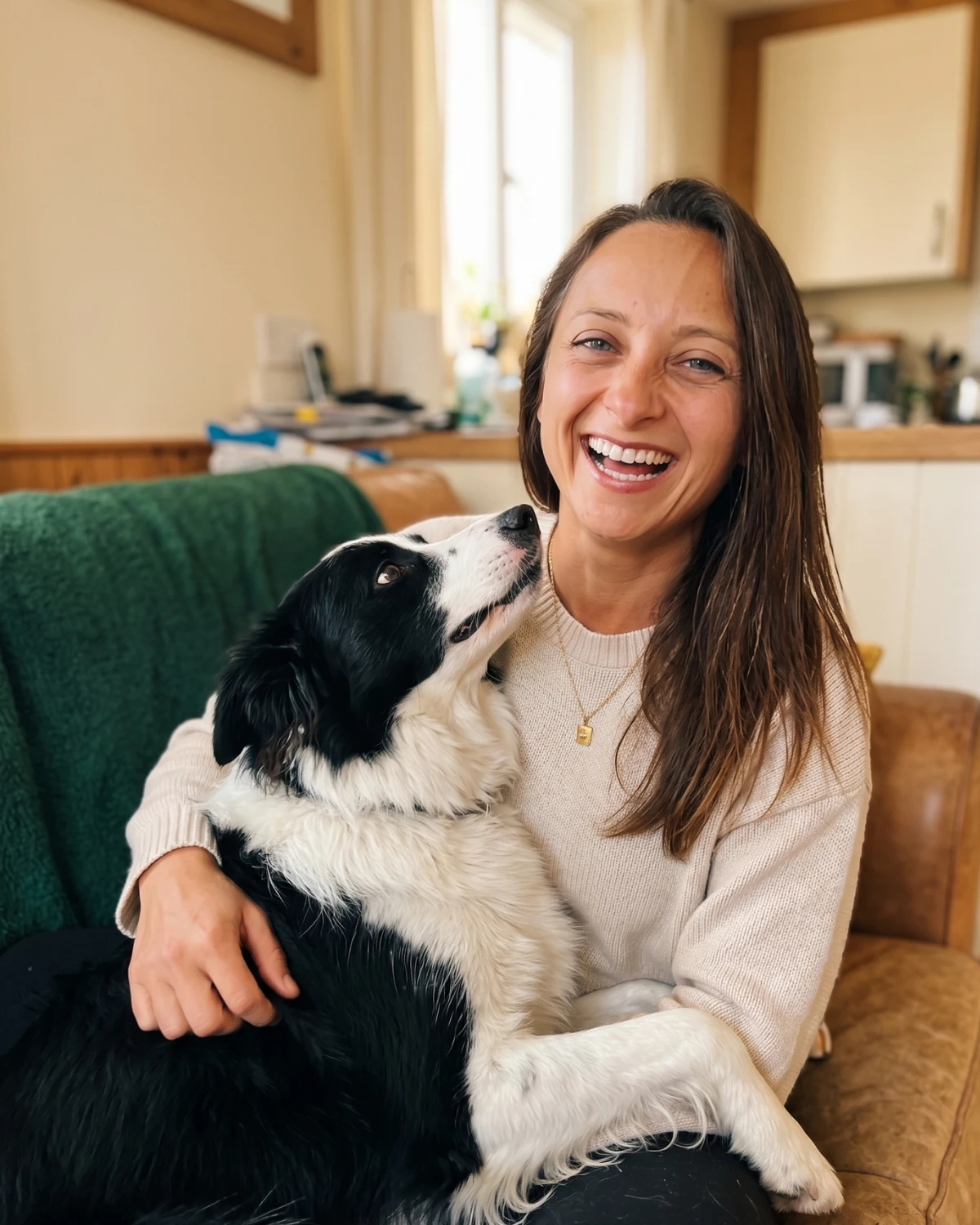
For years I led teams and projects across four countries while my own marriage was quietly coming apart at home. I was good at my work and at almost everything I put my mind to. I tried harder every year, the way capable people do, and none of it held. It took me a long time to see why, because the answer was not the one I wanted. Effort was never the missing piece. The structure was. I had never designed the relationship the way I designed everything else I cared about, so it ran on its original settings until those settings ran out.
When I rebuilt my life, I did the one thing I had never done. I designed the relationship on purpose, with the same seriousness I had always spent on my career. That is the marriage I am in now, and it holds differently because it was built rather than assumed. K2 Effect exists because of that. I refuse to watch capable people lose the most important thing they have to a drift nobody chose, when the way through is something I had to learn the hard way and can now hand over directly.
The category
What Relationship Design actually is
Relationship Design is the design of how two people actually run their relationship day to day, done on purpose instead of left to whatever each of you picked up along the way. I treat the relationship as a system with a real structure underneath it: the quiet agreements and rhythms that decide how close two people stay over years. Most couples never draw that structure, so it drifts on its own. I map the structure a couple is already living inside, usually without realising it, and where it has worn thin I help them install something sturdier that still works on the days when both people are tired and out of patience.
The design of how two people run their relationship in real life, built on purpose rather than left on the settings it started with.
The distinction
Why Relationship Design is not therapy
Therapy looks back at what got hurt and tends to it. Relationship Design looks forward and builds what is missing before anything breaks. A therapist asks what is broken. I ask what is missing, and then we build it. Most of the people I work with are nowhere near crisis. They are doing well by every visible measure, and they want to keep it that way for the next few decades, not just the next few months.
The timing
You do not need a crisis to need Relationship Design
The most dangerous state in a long relationship is the one that looks the calmest. “Fine” shows no symptoms until very late, and by the time the symptoms show, the structure has been slipping for years. Relationship Design is preventive work. The cheapest and easiest version of it is the one done long before anyone needs it, while there is still plenty worth protecting.
The method
How the work actually runs
The work runs on a few plain ideas I learned by living them. One is that structure beats effort. Two people trying harder will always run out of road, and a relationship built on design keeps working on the days when nobody has the energy to try. Another is that it only takes one person to start. A system shifts from one side, and both people feel the result, so the partner who is busy or skeptical does not need to attend or even know the work is happening. And small and steady wins, so we install agreements and rhythms that fit a real life with real calendars, not a workbook nobody opens twice.
It begins with a free Audit on keffect.pl that shows where a relationship actually stands. It takes about four minutes, and one partner answers. From there the real work happens one conversation at a time, usually with one partner, because the system moves from one side and both people live inside the result. For couples who want the full build, Relationship Foundation™ is the six-month version that installs the whole structure and keeps it standing on its own.
Four minutes. One partner answers. Free.
Questions
The questions people ask me first
Is this couples therapy?
No. Therapy tends to damage that is already there. Relationship Design installs the structure that keeps the damage from forming in the first place. A therapist asks what is broken. I ask what is missing. Most people come to me because nothing is broken yet, and they would like to keep it that way.
Does my partner have to take part?
No. The work is done with one partner and lived by both. The partner who stays out of it does not need to attend or even know it exists, because a system shifts from one side and what they notice is the result in everyday life. If they want to join in later, they are welcome.
We are not in crisis. Is this even for us?
Yes. That is exactly who it is for. “Fine” is the state that hides the drift, and by the time it finally surfaces the structure has been slipping quietly for years. This work is built for people whose time horizon for the relationship is measured in decades, not for people putting out a fire.
Will all this structure kill the spontaneity?
Spontaneity in a long relationship is rarely lost to structure. It goes missing in the drift and the tiredness that eats every evening. Structure protects the room where spontaneity comes back, and most people tell me they feel more present with their partner once the work starts, not less.
How fast do we feel it?
The first shifts land in the first days. Within about thirty days most people notice clearer communication and more presence in the time they share. The deeper structural change settles around ninety days, and the architecture keeps deepening across about six months.
What does it cost?
The Audit is free. The price of the full work lives on keffect.pl, and we only talk numbers once we both know the work fits, on a free call after the Audit. I do not put a price in front of someone before the value is clear, and I do not discount it once it is.
Begin here
Start with the free four-minute Audit
The cleanest first step is the Audit. It takes four minutes, one partner answers, and it shows where a relationship is actually built well and where it has started to drift. Read it on your own, or bring it to a conversation with me. Either way, it is the most useful four minutes most couples spend on the one part of life they never thought to design.
Four minutes. One partner answers. Free.